The Extension of Your Arm: Why the Fishing Rod is the Soul of Angling
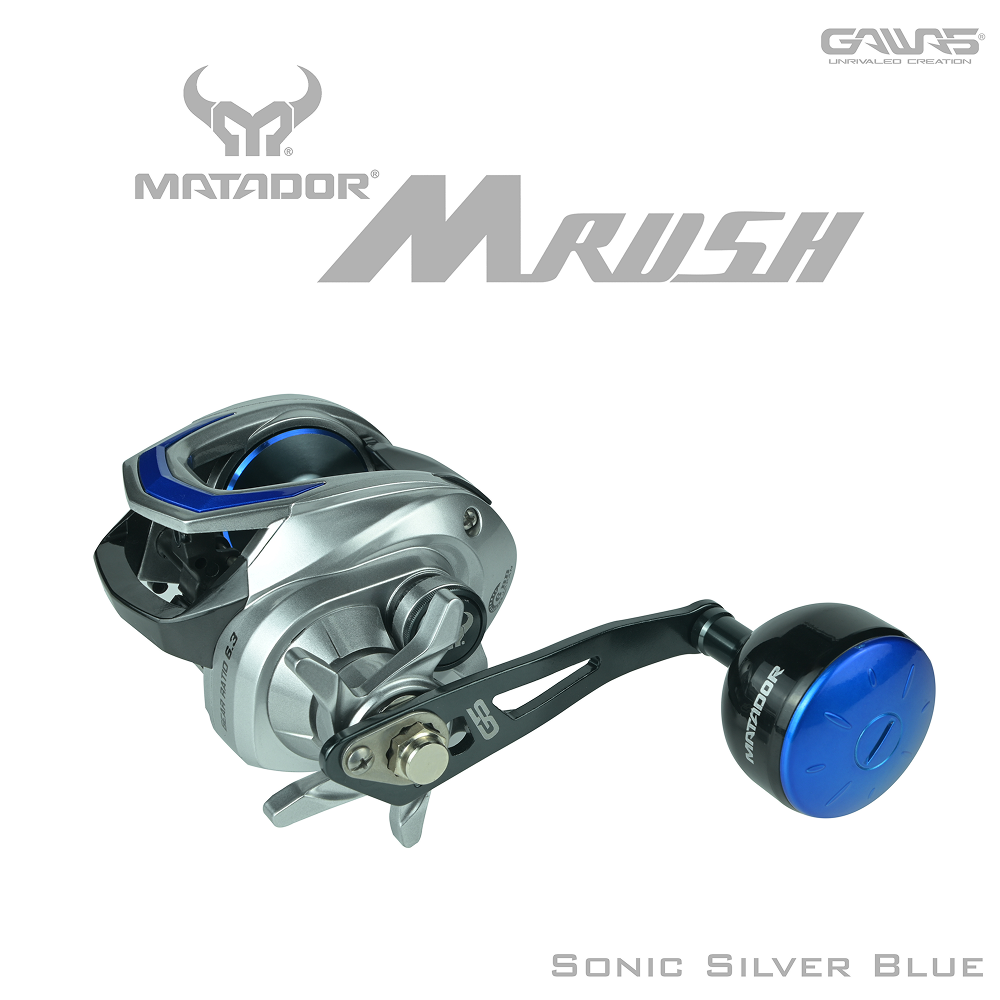
When building the ultimate fishing setup, it is easy to get mesmerized by the sleek metallic finish and high-tech gearing of a premium reel. If the reel is the heart and engine of your setup, the fishing rod is the nervous system and the muscle.
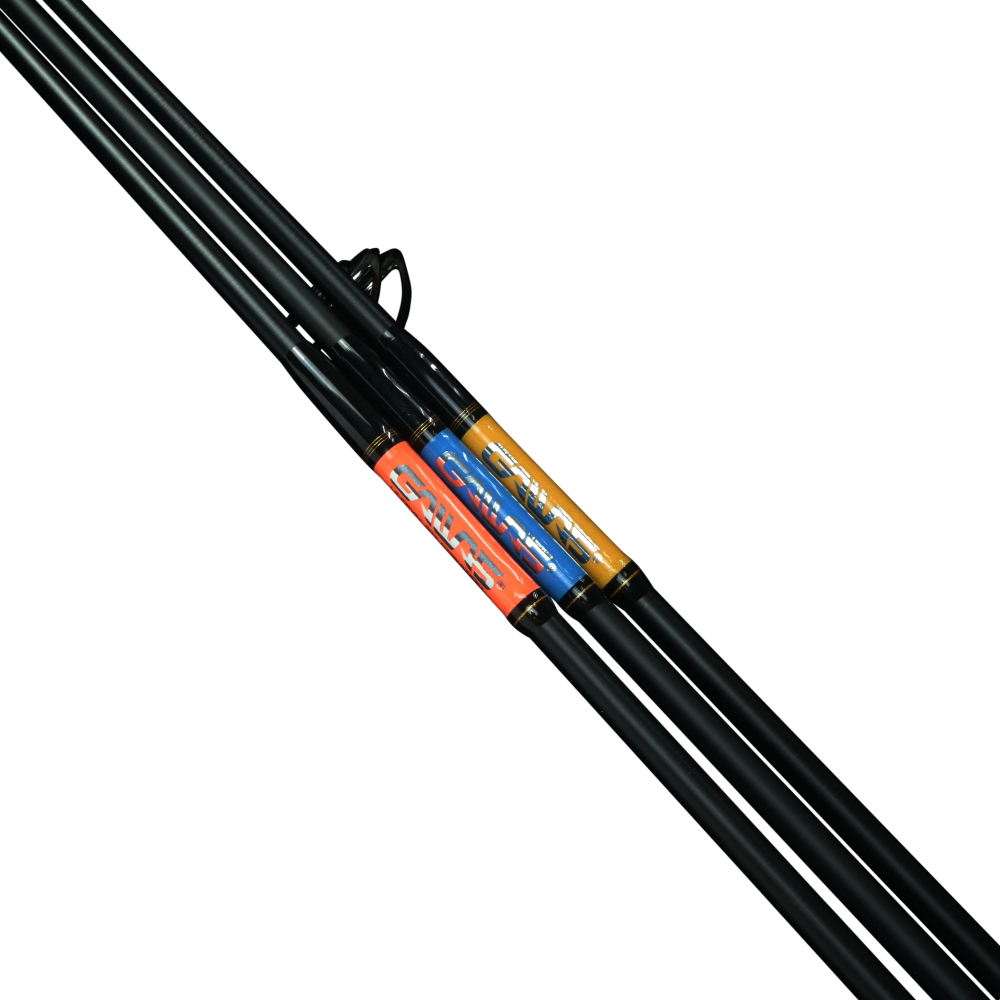
Many anglers mistakenly believe that a rod is simply a stick used to hold the line. In reality, a high-quality fishing rod is a precision-engineered tool. It is the direct link between you and the fish, dictates how your lure moves in the water, and serves as your primary weapon when the fight begins.
Here is why investing in the right fishing rod is the most critical decision an angler can make.
1. The Ultimate Sensor: Unmatched Bite Detection
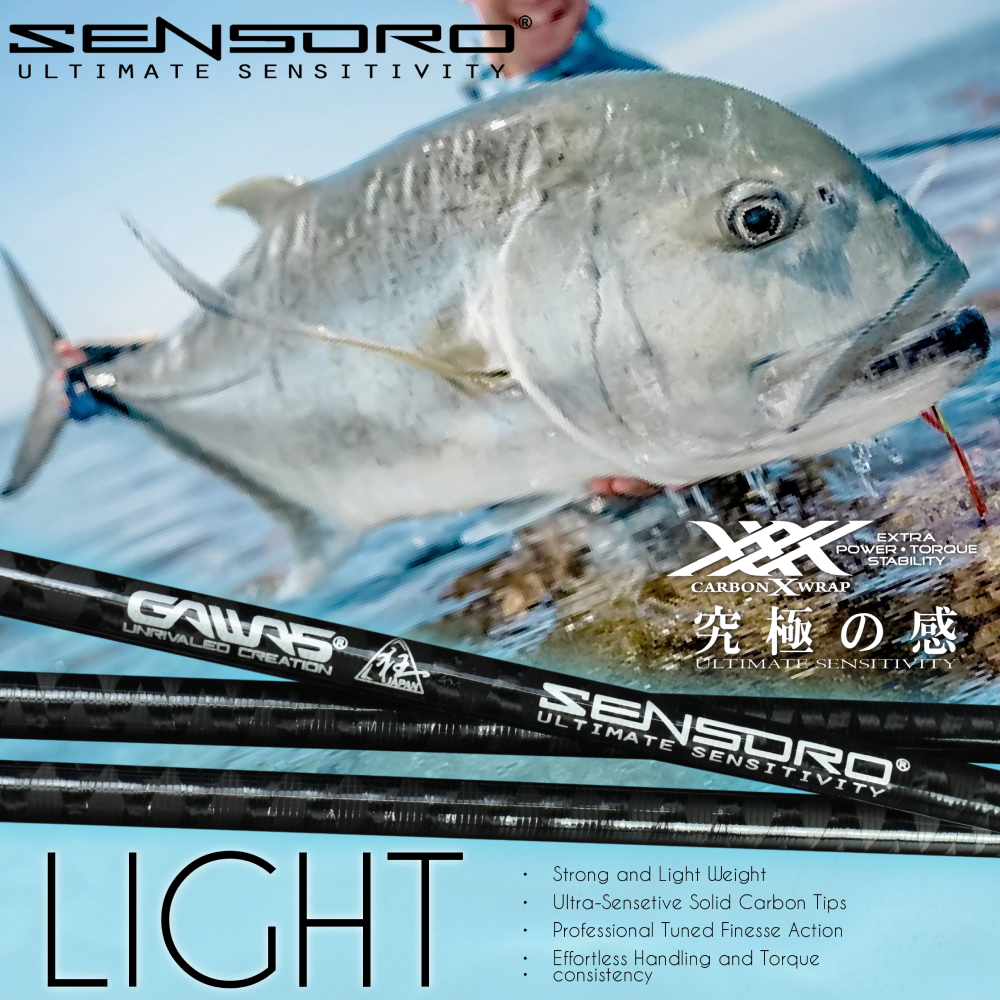
The underwater world is invisible to the angler, meaning you must rely entirely on feel. A premium rod acts as an ultra-sensitive antenna, transmitting the faintest vibrations from the end of your line directly into your hand.
- Blank Technology: High-modulus graphite blanks are engineered to be incredibly stiff and lightweight. This stiffness allows vibrations—whether it is a lure bouncing off a rocky bottom or the subtle “tap” of a cautious fish—to travel instantly up the rod.
- Reading the Water: A good rod tells you exactly what your lure is doing. You will know instantly if your bait has picked up a piece of weed or if it has crossed from a muddy bottom onto a gravel bed, allowing you to adapt your strategy on the fly.
2. The Catapult: Precision and Distance Casting
A fishing rod does not just swing your lure; it acts as a highly tuned catapult. During a cast, the rod “loads” by bending and storing kinetic energy, which is then released to propel the lure forward.
- Lure Weight Matching: This is why rods feature specific “Lure Wt.” ratings. If your lure is too light, the rod won’t bend, resulting in a weak, inaccurate cast. If the lure is too heavy, the rod overloads and loses its snap.
- Action and Taper: The “Action” of a rod dictates where it bends. A fast-action rod flexes mostly near the tip, providing the snappy, rapid power needed for pinpoint accuracy around tight structures. A slow or moderate-action rod bends deeper into the blank, creating the smooth, sweeping energy required for long-distance casting.
3. The Shock Absorber: Winning the Fight
Hooking a fish is only half the battle; landing it requires keeping consistent tension on the line without breaking it. When a massive fish makes a sudden, aggressive run, your reel’s drag system kicks in, but the rod is the primary shock absorber.
- Protecting the Line: The flex of the rod blank cushions the violent headshakes and sudden surges of a fighting fish. Without this flexibility, the sudden spike in tension would snap your line or rip the hook free.
- Leverage and Lifting Power: As the battle wages on, a well-engineered rod transitions from a flexible tip to a powerful, rigid backbone (the lower section of the rod). This backbone gives you the mechanical leverage to turn a stubborn fish and physically lift it from the depths.
4. Fatigue Reduction: The Ergonomics of Angling
Fishing often requires hours of repetitive casting, retrieving, and working heavy lures. A poorly designed, heavy, or unbalanced rod will quickly strain your wrists and shoulders.
- Balance is Key: Premium rods are meticulously balanced to feel weightless in the hand. When paired with the correct reel, the fulcrum point sits perfectly at the grip, allowing you to work your lures effortlessly from sunrise to sunset.
Conclusion: The Right Tool for the Job
There is no single “perfect” fishing rod because every angling scenario demands a different mechanical approach. Whether you need a short, stiff rod for vertical jigging offshore or a long, sensitive blank for casting lightweight lures from the beach, the rod dictates your success. Treat your rod not as an accessory, but as the critical extension of your arm, and your time on the water will be vastly more productive and enjoyable.