The Art of the Lure: Active Angling
A major advantage of using artificial lures is the dynamic mobility they provide. Rather than waiting passively for a bite, lures empower you to actively cover vast stretches of water with minimal effort. Furthermore, the modern angler has access to an incredible variety of designs, each meticulously crafted to target specific water columns, species, and environmental conditions.
These essential tools generally fall into two distinct categories:
- Hard Lures: Solid, durable plugs engineered to mimic the erratic action of fleeing prey, typically armed with multiple high-quality metal treble hooks.
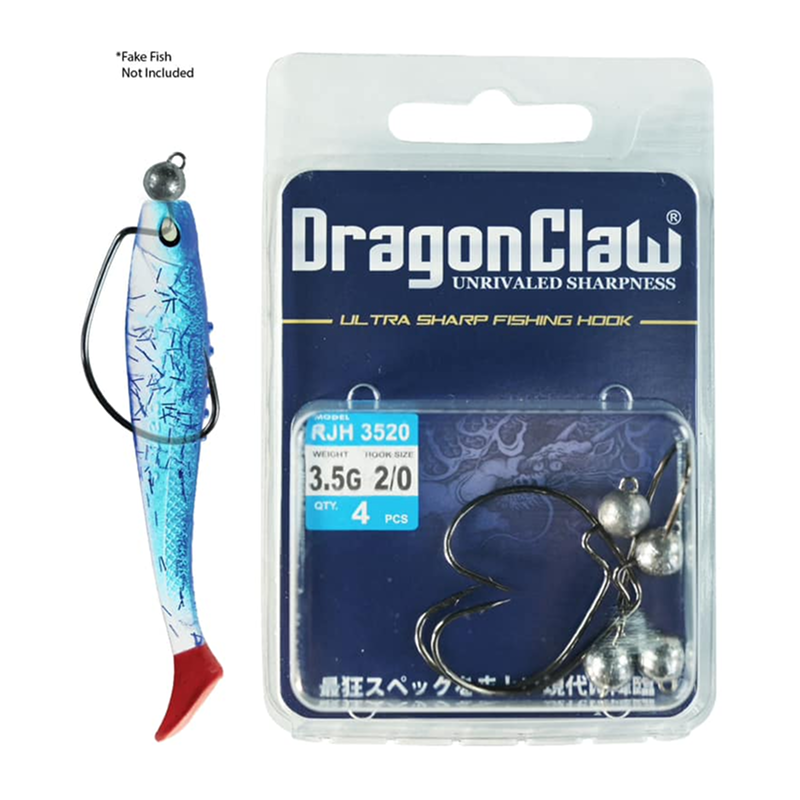
- Soft Lures: Lifelike baits crafted from highly flexible materials (such as silicone or latex), most commonly rigged with a weighted jig head for deep-water or bottom exploration.
In this comprehensive guide, we will explore the diverse world of artificial baits, break down the science of color selection, and share expert tips to help you choose the ultimate weapon for your specific angling needs. Read on to master the art of lure selection and maximize the success of every cast.
The Master Guide to Choosing the Right Lure
Selecting the perfect lure is both an art and a science. To maximize your strikes and protect your gear, keep these four essential principles in mind before your next cast:
1. Lure Weight: The Physics of the Cast Matching your lure weight to your rod’s specific rating is non-negotiable. Using the correct weight effectively “loads” the rod blank during a cast, allowing you to achieve maximum distance and pinpoint accuracy. More importantly, it prevents severe line breakage or permanent structural damage to your rod.
2. Lure Color: Decoding Water Visibility Water clarity and ambient lighting dictate your color strategy. The general rule is simple: rely on bright, high-contrast colors for dark or murky waters, and stick to subtle, natural tones for clear environments. However, always factor in the sun. On a bright, sunny day—even in stained water—natural-colored baits presented near the surface can perfectly catch the light and trigger an aggressive strike.
3. Running Depth: Meeting the Fish Where They Hunt To catch your target species, you must enter their specific hunting zone. Some fish patrol the surface, while others ambush prey near the sea or riverbed. For example, aggressive Giant Snakeheads are notoriously drawn to explosive topwater lures, whereas a Barramundi typically hunts in the 1 to 2-meter range, making a floating minnow the ideal presentation.
4. Lure Action: Triggering the Predator Instinct A lure’s movement must cater directly to your target fish’s hunting style. Groupers, for instance, are ambush predators that lurk hidden within rocky structures. To draw them out of hiding, you need a lure with an aggressive action—such as a diving crankbait—that can bounce across the rocky bottom and invade their immediate strike zone.
The Golden Rule: Stay Adaptable While these four points form a solid foundation, the most successful anglers are those with an open and adaptable mindset. Water conditions change rapidly, and fish behavior is famously unpredictable. Do not be afraid to experiment, break the rules, and try new presentations. Ultimately, fishing is about the thrill of the chase and enjoying your time on the water!
Understanding the Water Column: The Core Types of Lures
The modern market offers an incredible arsenal of artificial baits, each engineered with specific designs, weights, and lips to target different depths. Understanding where a lure operates in the water column is the key to unlocking its potential. Here is a breakdown of the primary lure classes:
1. Topwater Lures: The Surface Explosion Engineered to dominate the water’s surface, topwater baits create deliberate commotion—gurgling, popping, and splashing—to mimic an injured baitfish, a fleeing frog, or a struggling bird. The visual thrill of a massive predator violently breaking the surface to smash a topwater lure remains one of the most exhilarating, heart-pounding experiences in all of angling.
2. Subsurface Lures: The Shallow Invaders Operating just inches beneath the surface, these lures excel at imitating actively swimming or wounded prey. By varying your rod twitches and retrieval speed, you can command these baits to dart, jerk, and slide erratically. This unpredictable action is perfect for triggering aggressive reaction strikes from predators hunting in the shallows.
3. Suspending Lures: The Mid-Water Temptation The magic of a suspending lure lies in the pause. Engineered to achieve perfect neutral buoyancy, these baits hover midway through the water column the moment you stop reeling—neither floating to the top nor sinking to the bottom. This vulnerable, motionless “hang-time” is often exactly what it takes to tempt a hesitant, trailing fish into making a decisive strike.
4. Diving & Sinking Lures: The Deep-Water Explorers When the fish hold deep, you have to go down to get them. Sinking lures plunge toward the seabed naturally, while diving lures utilize specialized angled lips (or bibs) to dig aggressively into the water—the faster you retrieve, the deeper they dive. Some advanced models even feature interchangeable bibs, giving you the power to precisely dial in your targeted depth.
The Soft Plastic Alternative: Stealth and Finesse
Beyond hard-bodied plugs, the fishing world relies heavily on Soft Plastics.
Crafted from highly flexible materials like silicone or latex, baits such as artificial worms, grubs, and swimbaits offer unparalleled, lifelike movement. Typically rigged with weighted sinkers or jig heads, these versatile baits are usually finessed slowly along the riverbed or ocean floor. Their subtle, natural wiggling action makes them the ultimate weapon for convincing highly cautious or heavily pressured fish to bite.